


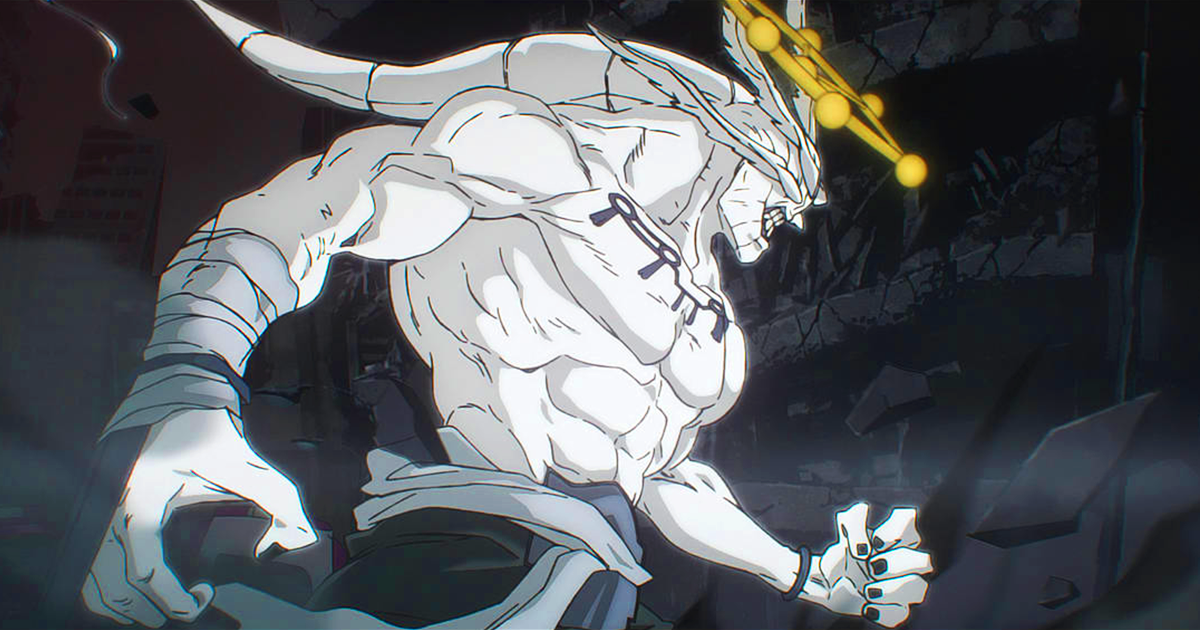
Mahoraga stands as one of Jujutsu Kaisen’s most formidable and enigmatic beings, but did you know this terrifying shikigami has roots that stretch back over a millennium? While fans witness Megumi’s ultimate technique unfold in spectacular battles, few realize they’re actually observing a modern interpretation of ancient Buddhist and Hindu deities that once commanded both fear and reverence across Asia.
Gege Akutami’s genius lies not just in creating compelling characters, but in weaving genuine mythological depth into the fabric of his supernatural world. The Eight-Handled Sword Divergent Sila Divine General isn’t simply a product of creative imagination—it’s a carefully crafted homage to traditional Mahoraga figures that have appeared in religious texts, temple carvings, and spiritual practices for centuries. Understanding these origins transforms how we perceive this incredible being and reveals the rich cultural tapestry underlying JJK’s mystical elements.
The True Origins of Eight-Handled Sword Divergent Sila Divine General Mahoraga
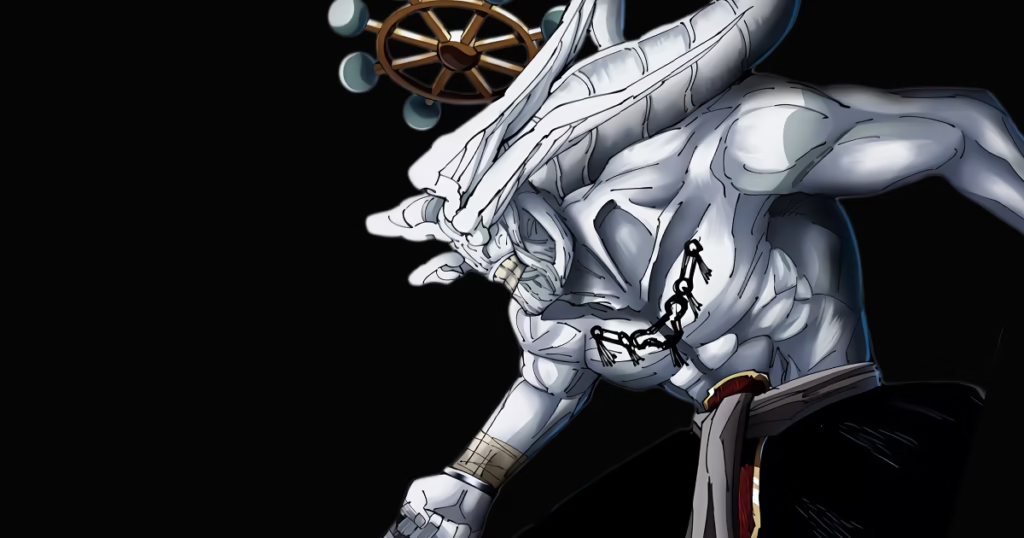
The name “Mahoraga” itself carries profound significance, deriving from the Sanskrit term “Maharaja,” which translates to “great king” or “great serpent.” In traditional Buddhist cosmology, Mahoragas represent a class of divine beings that occupy a unique position among the eight classes of supernatural protectors known as the Ashtasenā. These weren’t mere monsters or demons—they were considered powerful guardian deities capable of both tremendous destruction and benevolent protection.
Ancient Buddhist texts describe Mahoragas as serpentine beings with the ability to assume human form, possessing wisdom that spans lifetimes and strength that could shake mountains. The Buddhist tradition particularly emphasized their role as protectors of the dharma, fierce guardians who would emerge to defend righteous practitioners and sacred teachings. This protective aspect becomes especially interesting when we consider Megumi’s relationship with his shikigami—despite its overwhelming power, Mahoraga serves as his ultimate defensive technique.
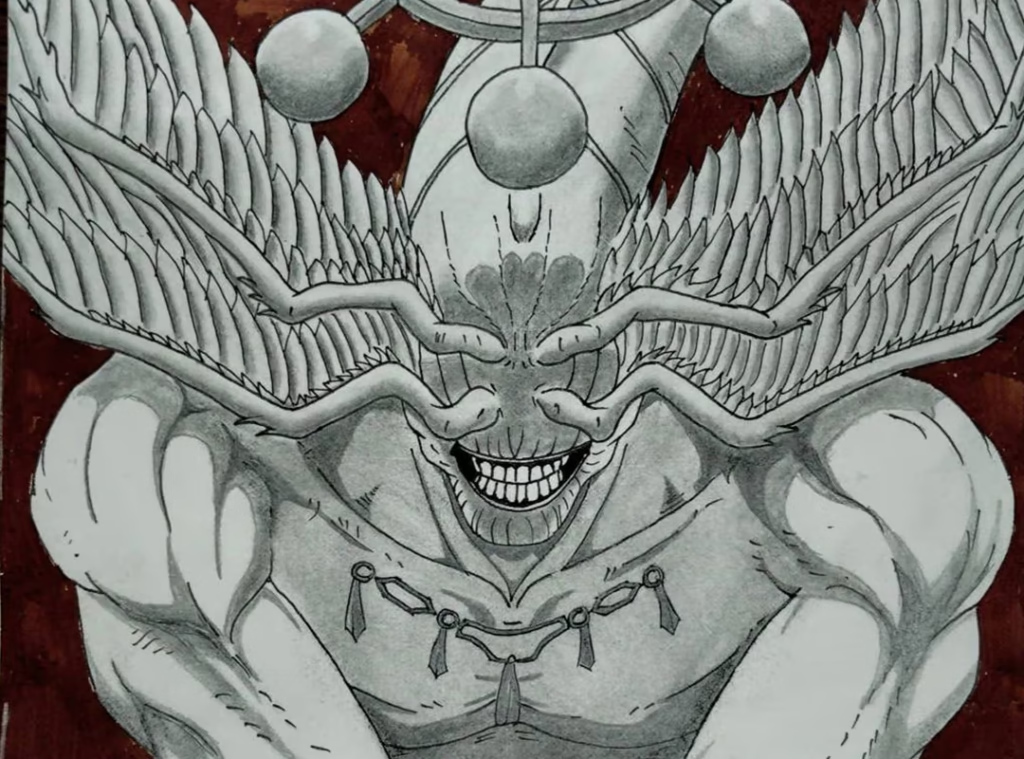
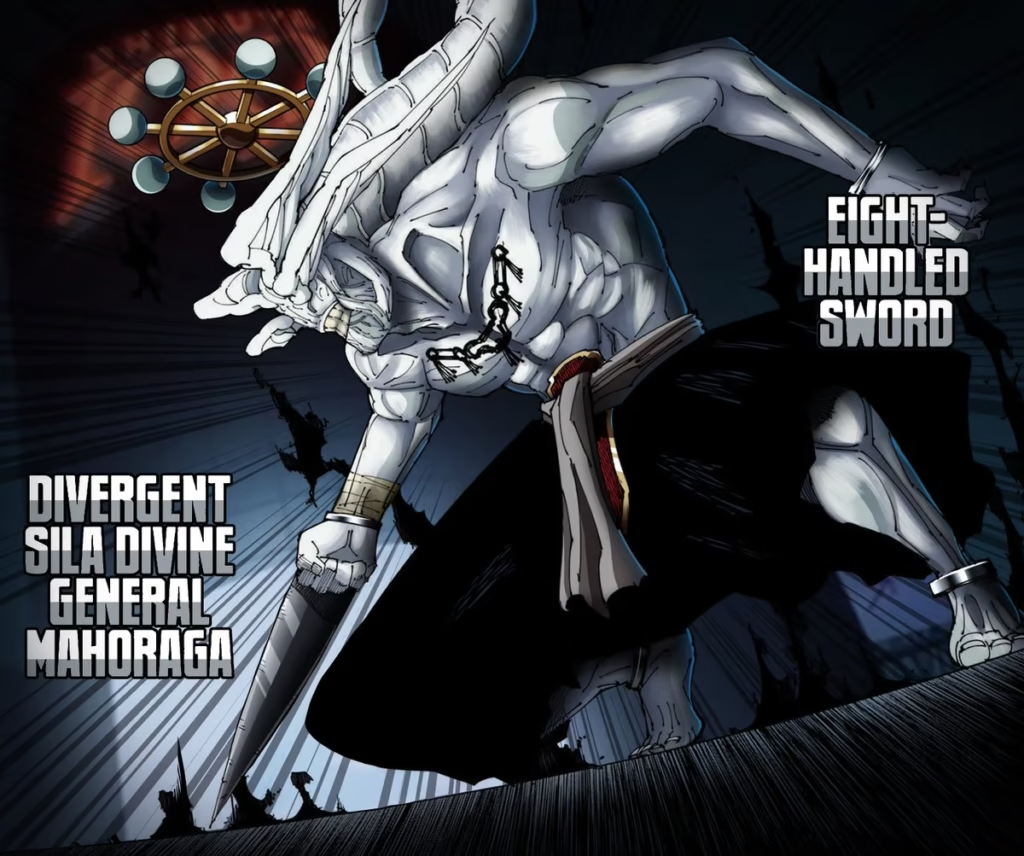
What makes Akutami’s interpretation so brilliant is how he preserved the essential characteristics while adapting them for modern storytelling. The eight handles protruding from Mahoraga’s body directly reference traditional depictions where these divine beings were often shown with multiple arms or appendages, symbolizing their ability to wield various sacred implements simultaneously. The wheel-like structure above its head mirrors the dharmachakra, or wheel of dharma, found in countless Buddhist artistic representations.
The creature’s incredible adaptation ability—its power to adjust and become immune to any phenomenon that doesn’t immediately destroy it—reflects the original Mahoragas’ legendary resilience and evolution through countless lifetimes. In ancient stories, these beings were said to possess memories spanning multiple reincarnations, accumulating wisdom and strength with each rebirth. This mirrors perfectly with how JJK’s Mahoraga learns and adapts during battle, essentially experiencing rapid evolution that normal beings would require lifetimes to achieve.
Mahoraga in Buddhism and Hinduism: The Snake-Shaped Deities
When we dive into the ancient texts of Buddhism and Hinduism, we discover that Mahoragas occupy a fascinating place in the celestial hierarchy. These serpentine deities aren’t your typical mythological creatures – they’re sophisticated beings with complex roles that extend far beyond their intimidating appearance. In Sanskrit, “Mahoraga” literally translates to “great serpent,” but this simple translation barely scratches the surface of their true significance.
In Buddhist cosmology, Mahoragas belong to the revered group known as the eight classes of divine protectors (Ashtasenā), standing alongside devas, nagas, and other powerful entities. What makes them particularly intriguing is their dual nature – they possess both human and serpentine characteristics, allowing them to shape-shift between forms at will. This transformative ability wasn’t just a cool party trick; it represented their mastery over different states of existence and their role as bridges between the earthly and divine realms.
These ancient guardians were entrusted with protecting the Buddha’s teachings (Dharma) and sacred spaces. Picture them as divine bouncers, but with the wisdom of ages and the power to adapt to any threat. Their serpentine nature symbolized both danger and wisdom – much like how snakes can be deadly yet are also associated with healing and transformation in many cultures. The Mahoragas embodied this paradox perfectly, serving as fierce protectors while maintaining deep spiritual insight.
Hindu traditions also recognize these powerful beings, often depicting them in temple sculptures and religious art as magnificent serpent-bodied figures with human torsos. Their presence in both religious traditions highlights their universal appeal as symbols of protective power and spiritual transformation, qualities that would later inspire countless interpretations in modern storytelling.
What is Divergent Sila? Understanding Mahoraga’s Full Title
📷 japanese calligraphy ink brush writing
When we encounter Mahoraga’s full title – “Eight-Handled Sword Divergent Sila Divine General” – the term “Divergent Sila” might sound mysterious to those unfamiliar with Buddhist terminology. However, this phrase holds the key to understanding how brilliantly Gege Akutami subverted traditional Buddhist concepts to create one of Jujutsu Kaisen’s most formidable antagonists.
In Buddhism, sila represents moral conduct and ethical discipline – one of the three fundamental pillars of Buddhist practice alongside wisdom (prajna) and concentration (samadhi). Sila encompasses the guidelines that help practitioners maintain pure conduct, avoid harmful actions, and cultivate positive karma. It’s essentially the moral compass that keeps Buddhist practitioners on the righteous path toward enlightenment.
But here’s where Akutami’s genius shines through: by adding “Divergent” to Sila, he’s essentially telling us that Mahoraga represents moral conduct that has strayed from its intended purpose. Instead of the protective, benevolent force that traditional Mahoraga embodies in Hindu-Buddhist mythology, this version has become something else entirely – a twisted reflection of divine protection that now poses an existential threat.
This divergence manifests perfectly in how Mahoraga operates within the series. Traditional Buddhist sila would guide beings toward harmony and non-violence, but Mahoraga’s “divergent sila” drives it to adapt and overcome any obstacle through increasingly devastating means. The creature doesn’t simply defend – it evolves, learns, and retaliates with methodical precision that mirrors the disciplined nature of sila, yet serves destructive rather than constructive purposes.
The “divergent” aspect also reflects the broader themes in Jujutsu Kaisen about how positive forces can become corrupted. Just as Buddhist teachings emphasize the potential for transformation – both positive and negative – Mahoraga embodies how even divine protection can become a source of terror when removed from its original context and purpose. This philosophical depth adds layers to what could have been just another powerful monster, making Mahoraga a fascinating study in corrupted divinity.
Mahoraga Abilities: Adaptation Powers Rooted in Mythology
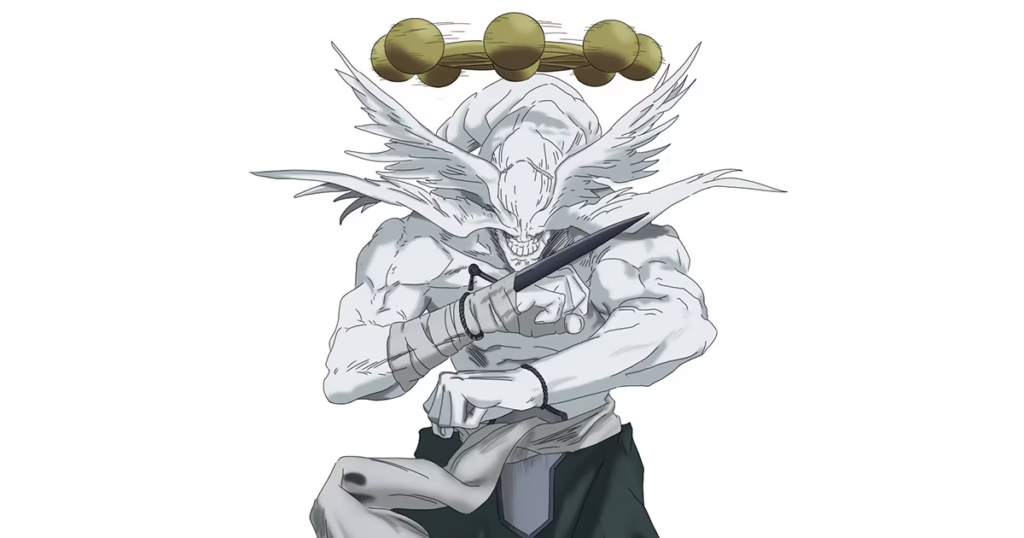
When we first witness Mahoraga’s terrifying adaptation ability in Jujutsu Kaisen, it feels like witnessing something both alien and oddly familiar. That’s because Gege Akutami has masterfully translated the mythological Mahoraga’s fundamental nature into a modern power system that maintains the essence of its Buddhist origins. The Divine General doesn’t just adapt to attacks—it embodies the core principle of transformation that defines its mythological counterpart.
In Buddhist cosmology, the Mahoraga are known for their incredible ability to change form and nature, shifting between serpentine and humanoid appearances as needed. This shapeshifting capability represents more than physical transformation; it symbolizes the Buddhist concept of impermanence and the fluid nature of existence itself. Akutami has brilliantly interpreted this ancient concept through Mahoraga’s signature adaptation wheel, which literally rewrites the shikigami’s existence to counter any threat it encounters.
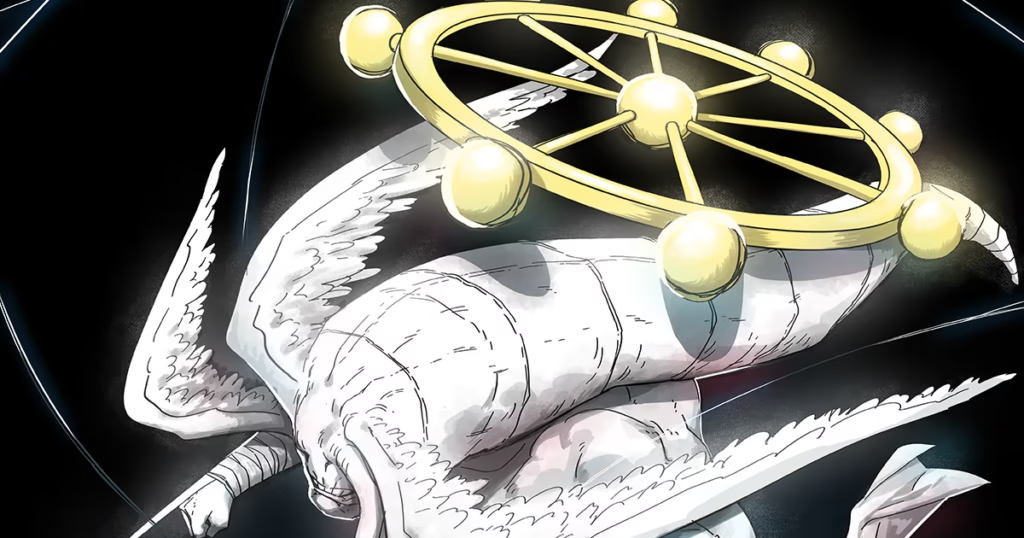
The wheel that rotates above Mahoraga’s head serves as both a visual callback to the dharmachakra (wheel of dharma) and a mechanical representation of karmic adaptation. Each rotation brings Mahoraga closer to understanding and neutralizing whatever force opposes it, much like how the mythological Mahoraga would shift its nature to survive in different realms of existence. This isn’t just about becoming immune to fire or slashing attacks—it’s about fundamental transformation at the cellular and spiritual level.
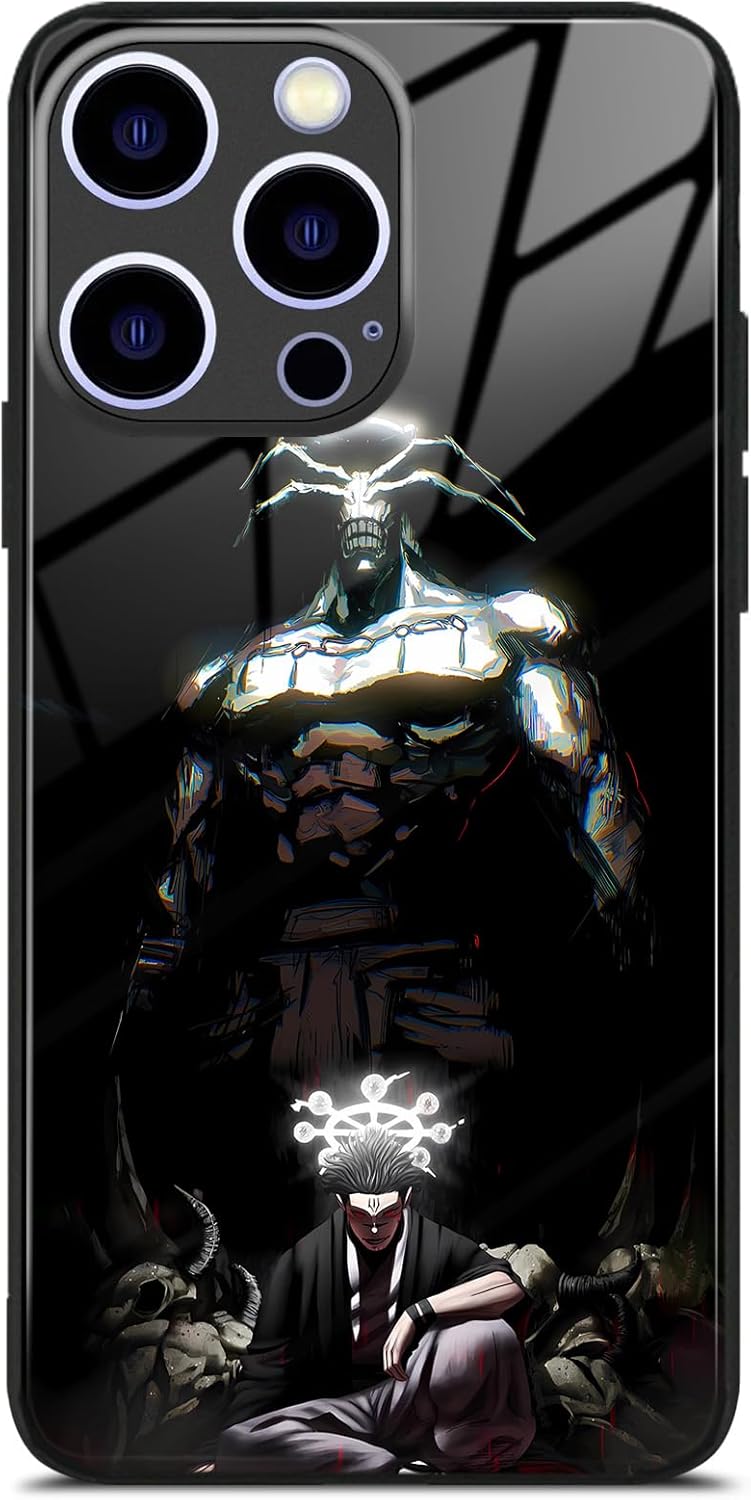
Want to carry the power of the Divine General in your pocket? This premium Mahoraga phone case features an ultra-sharp, scratch-resistant design of Jujutsu Kaisen’s most terrifying entity. Highly rated by fans for its heavy-duty protection and flawless print quality. Perfect for protecting your phone while flexing your peak JJK fandom.
What makes this adaptation truly mythologically authentic is its inevitability. Just as the Buddhist Mahoraga’s transformative nature was considered an inescapable aspect of their being, JJK’s Mahoraga presents adaptation not as a conscious choice but as an intrinsic property of existence. The creature doesn’t decide to adapt; it simply does, following the natural law of its being just as rivers flow downhill.
This mythological grounding also explains why Mahoraga feels different from other adaptive abilities in anime and manga. It’s not just getting stronger or developing resistances—it’s undergoing fundamental ontological change, rewriting the very nature of what it means to be Mahoraga in response to each new stimulus it encounters.
Has Mahoraga Ever Been Tamed? The Untameable Shikigami
📷 dark stormy sky with lightning dramatic clouds
Here’s a sobering fact that sends chills down every jujutsu sorcerer’s spine: throughout the entire documented history of the Ten Shadows Technique, not a single user has ever successfully tamed Mahoraga. Think about that for a moment – we’re talking about centuries of powerful sorcerers, each wielding one of the most prestigious inherited techniques in the jujutsu world, and yet this particular shikigami remains as wild and uncontrollable as the day it was first summoned.
What makes this even more fascinating is how perfectly this mirrors the mythological Mahoragas from Buddhist tradition. These weren’t creatures that could be domesticated or kept as pets – they were wild, primordial forces of nature that demanded respect rather than control. The original Mahoragas were beings that even the gods approached with caution, acknowledging their power while maintaining a healthy distance from their unpredictable nature.
In Jujutsu Kaisen, this untameable quality isn’t just a plot device – it’s a fundamental characteristic that defines Mahoraga’s very essence. The shikigami exists in a permanent state of wildness, much like its mythological counterparts who roamed freely between the earthly and divine realms. This creates an interesting parallel where the technique’s users can summon something they can never truly possess, reflecting the Buddhist concept of impermanence and the futility of trying to control forces beyond human understanding.
The closest anyone has come to “using” Mahoraga effectively was through desperate, suicidal tactics – summoning it not to command, but to unleash chaos upon both enemy and summoner alike. This speaks to the creature’s role as a force of nature rather than a tool of war, maintaining that essential wildness that makes it both incredibly powerful and perpetually dangerous to anyone who dares to call upon its strength.
Did Mahoraga Lose His Sword? The Missing Eight Handles
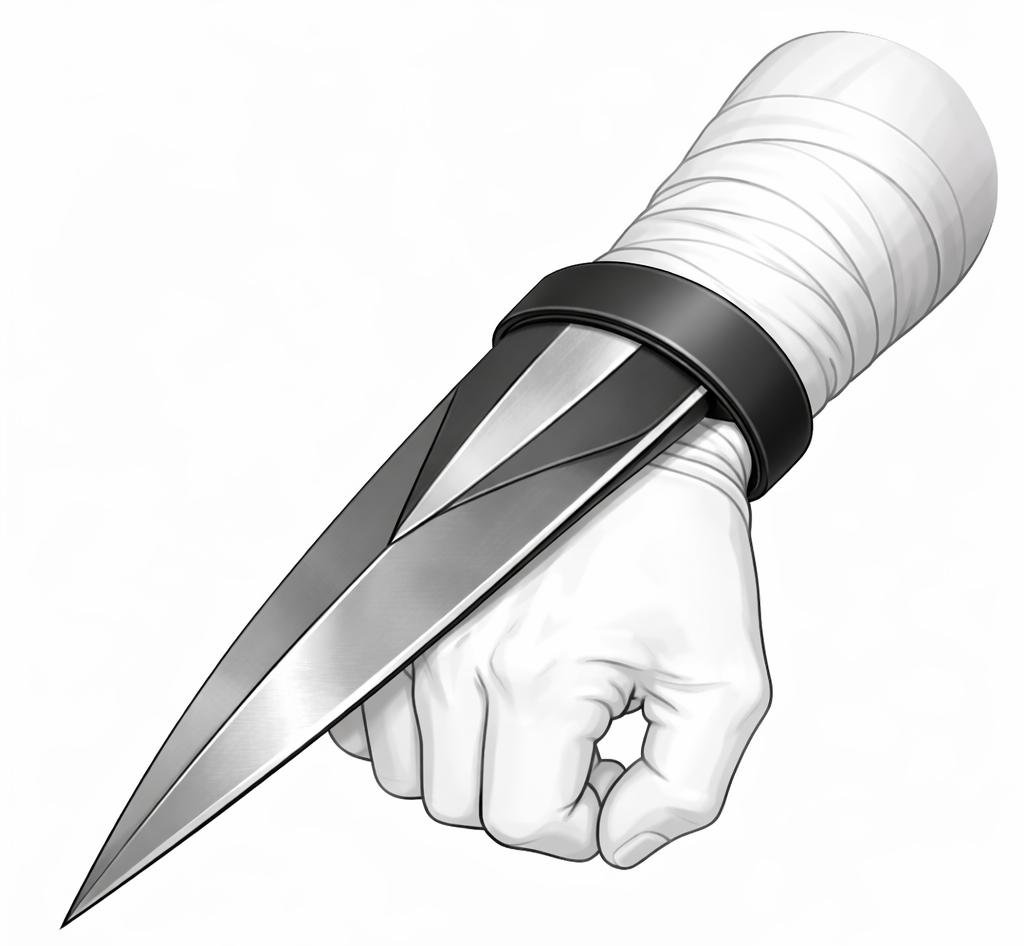
Here’s where things get deliciously puzzling for JJK fans. You’d think a Divine General nicknamed the “Eight-Handled Sword Divergent Sila” would be swinging around some magnificent multi-handled blade, right? Instead, our beloved wheel-headed powerhouse shows up completely unarmed, relying purely on his devastating physical prowess and that iconic adaptation wheel. So what happened to those famous eight handles?
The answer might be more philosophically elegant than we initially realized. Gege Akutami seems to have pulled off a brilliant sleight of hand here, transforming a literal weapon into something far more profound. Rather than giving Mahoraga an actual eight-handled sword—which would honestly look pretty ridiculous in combat—the “eight handles” likely represent the Noble Eightfold Path, Buddhism’s fundamental guide to ending suffering and achieving enlightenment.
Think about it: Right View, Right Intention, Right Speech, Right Action, Right Livelihood, Right Effort, Right Mindfulness, and Right Concentration. These eight aspects form the core of Buddhist practice, and what better way to “handle” spiritual warfare than through complete mastery of this path? Mahoraga doesn’t need a physical sword because he *is* the sword, wielding these eight spiritual handles to cut through any obstacle.
This interpretation also explains why Mahoraga’s adaptation ability feels so spiritually charged. Each time he adapts to an attack, he’s essentially demonstrating the Buddhist principle of overcoming suffering through understanding and acceptance. The wheel spinning above his head isn’t just a cool visual—it’s the Dharma wheel in motion, representing the continuous cycle of learning and spiritual growth that defines the Eightfold Path.
Akutami’s decision to make the handles metaphorical rather than literal shows remarkable restraint and deeper understanding of Buddhist symbolism. Sometimes the most powerful weapons are the ones we can’t see.
How Do You Say Eight-Handled Sword Divergent Sila Divine General Mahoraga in Japanese?
📷 japanese shrine with traditional architecture and lanterns
The full Japanese name “Yamata-no Tsurugi Ihakutai Shinshou Makora” (八握剣異戒神将魔虎羅) is a linguistic masterpiece that demonstrates Gege Akutami’s meticulous attention to Buddhist terminology and Japanese etymology. When you break down each component, you begin to appreciate just how thoughtfully this character was constructed from ancient religious foundations.
TRIVIA
“Yamata-no Tsurugi” (八握剣) literally translates to “eight-handled sword,” referencing the legendary weapon from Japanese mythology. The term “yamata” uses the same kanji found in Yamata-no-Orochi, the eight-headed, eight-tailed serpent, creating an immediate connection to primordial power and multiplicity. This isn’t coincidental – it establishes Mahoraga as a being of similar mythological weight and complexity.
“Ihakuta” (異戒) proves particularly fascinating from a Buddhist linguistic perspective. “I” (異) means “different” or “divergent,” while “kai” (戒) refers to the Buddhist precepts or moral rules that guide practitioners. Together, they create “divergent sila,” suggesting a being that operates outside conventional Buddhist moral frameworks – essentially a divine entity that transcends traditional ethical boundaries.
“Shinshou” (神将) combines “shin” (神) meaning “god” or “divine” with “shou” (将) meaning “general” or “commander.” This military terminology isn’t arbitrary – it positions Mahoraga within the Buddhist cosmological hierarchy as a divine commander, similar to the Twelve Divine Generals who protect Buddhist teachings and practitioners.
Finally, “Makora” (魔虎羅) represents the Japanese pronunciation of “Mahoraga,” but the kanji choice is deliberate. “Ma” (魔) typically means “demon” or “evil spirit,” “ko” (虎) means “tiger,” and “ra” (羅) can mean “net” or “capture.” This creates layers of meaning that suggest both the fierce, untamable nature of this divine being and its role as something that captures or contains opposing forces.
When Japanese fans encounter this name, they’re immediately struck by its formal, archaic tone – it sounds like something pulled directly from ancient Buddhist sutras rather than modern manga dialogue, which perfectly reinforces Mahoraga’s status as an ancient, reverent force within the Jujutsu Kaisen universe.
Conclusion about the topic
Mahoraga stands as one of the most sophisticated examples of how Jujutsu Kaisen masterfully weaves authentic Buddhist mythology into its supernatural narrative framework. From its origins as a divine serpent king in Buddhist cosmology to its reimagining as the ultimate shikigami of the Ten Shadows Technique, Mahoraga represents the seamless fusion of traditional religious symbolism with contemporary manga storytelling. The creature’s adaptive abilities, its role as both destroyer and protector, and its connection to themes of transcendence and enlightenment demonstrate Gege Akutami’s deep understanding of Buddhist philosophical concepts and their narrative potential.
The character’s impact extends far beyond its dramatic battles, serving as a bridge between ancient wisdom traditions and modern pop culture. Mahoraga’s presence in JJK has introduced countless readers to Buddhist mythology while simultaneously respecting the source material’s spiritual significance. This thoughtful adaptation showcases how contemporary media can honor traditional religious narratives while creating entirely new mythological contexts that resonate with global audiences.
As Jujutsu Kaisen continues to explore the depths of Japanese spiritual traditions, Mahoraga remains a testament to the enduring power of Buddhist symbolism in storytelling. For readers intrigued by these mythological connections, exploring the rich tapestry of Buddhist literature and its influence on Japanese culture offers endless discoveries about the real-world foundations that make JJK’s supernatural world so compelling and authentically rooted in centuries of spiritual tradition.