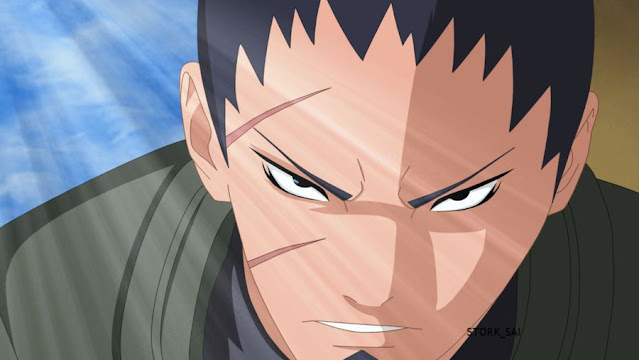






Who Was Sakumo Hatake?
Sakumo Hatake was an elite ninja of the Hidden Leaf Village, renowned for his unmatched sword skills and unwavering loyalty to the village. His nickname, White Fang of Konoha, came from his signature weapon: a white chakra blade that shone like a fang in battle.
He was so powerful and respected that even the Legendary Sannin (Jiraiya, Tsunade, and Orochimaru) were considered inferior to him in strength. This reputation solidified Sakumo as one of the greatest ninjas of his time but also placed immense pressure on him.
The Mission That Changed Everything
Despite his skill and fame, Sakumo is remembered both for his strength and his fall. During a critical mission, he chose to save his teammates instead of completing the mission’s objective. This decision, though ethical and morally admirable, was seen as a failure by the village. He was harshly criticized by his peers, leaders, and even the people he saved.

This collective rejection was a devastating blow to Sakumo. Unable to bear the shame and scorn of the village, he fell into a deep depression and tragically took his own life. This event not only marked Konoha but left an emotional scar on Kakashi, who was just a child at the time.
Sakumo’s Legacy in Kakashi Hatake
Sakumo’s death profoundly shaped Kakashi. Determined not to repeat his father’s “mistake,” Kakashi adopted a rigid stance on rules and mission priorities, becoming a flawless but emotionally distant ninja.
However, Sakumo’s lesson continued to resonate. During Naruto’s second part, when Kakashi faces situations that test his principles, he realizes that his father’s choice was not a mistake but an act of humanity and courage. This understanding helps Kakashi accept his own path and value the bond with his comrades.
Sakumo’s Appearances in Naruto

Sakumo appears briefly in the manga and anime, but his most memorable moment occurs after Kakashi’s death during Pain’s invasion arc. In limbo, Sakumo and Kakashi share an emotional conversation that finally allows both to make peace with the past. This scene is one of the most poignant moments in the series, closing the cycle of pain and regret with a sense of acceptance and pride.
Facts About Sakumo Hatake
- Name Origin: The name “Sakumo” can be translated as “cherry blossom cloud,” reflecting the combination of strength and the fleeting nature of his life.
- Bushido Inspiration: Sakumo’s decision to prioritize his comrades reflects the samurai code of ethics, bushido, which values honor and altruism above duty.
- Cultural Impact: Despite his brief role, Sakumo is one of the most respected characters among Naruto fans, often featured in fan art and discussions about what it means to be a true hero.
The White Fang in Konoha’s Memory

Although Sakumo did not live to see his impact, his story serves as a reminder of the burden ninjas carry. He represents the conflict between duty and humanity, showing that even the strongest can be vulnerable to societal expectations and judgment.
Today, Sakumo is remembered not as someone who failed but as a ninja who had the courage to prioritize life over the mission. His legacy lives on not only through Kakashi but also in the hearts of fans who see him as a tragic and heroic figure.
Sakumo Hatake, the White Fang of Konoha, is more than a forgotten legend. He is a symbol of sacrifice, compassion, and the internal struggle everyone faces when trying to balance duty and morality. His impact on the series and its characters is a testament to how even with limited screen time, a well-told story can deeply touch its audience.
What about you? What do you think of Sakumo Hatake? Do you believe he was treated fairly by Konoha? Share your opinion in the comments!