

Nakano’s Legacy in Weekly Shonen Jump
Nakano’s tenure at Weekly Shonen Jump has been defined by his unwavering support for major franchises. Under his leadership, iconic manga like Bleach, My Hero Academia, and Jujutsu Kaisen flourished, making significant cultural impacts in Japan and internationally. Nakano’s keen editorial eye not only nurtured these series but also played a part in celebrating their milestones, including Bleach’s 20th anniversary.
As a key supporter of the Bleach: Thousand-Year Blood War anime adaptation, Nakano’s impact was felt beyond the manga, bringing the anime series back to life in a way that captured the attention of long-time fans while attracting new viewers. This was especially evident in the production of its third season, expected to release in 2024.
However, Nakano’s departure from Weekly Shonen Jump raises important questions about what this means for the future of the magazine and its biggest titles.
Nakano’s New Role in the One Piece Franchise
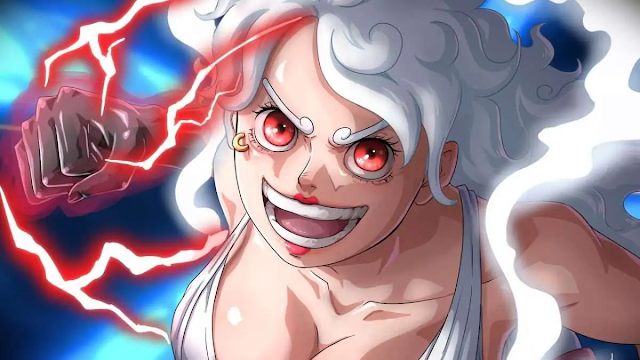
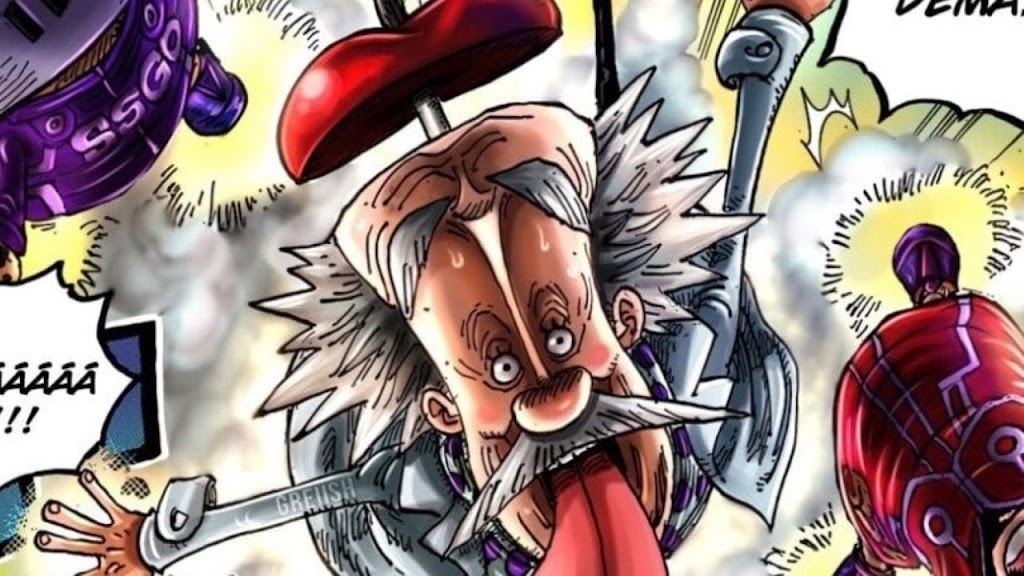
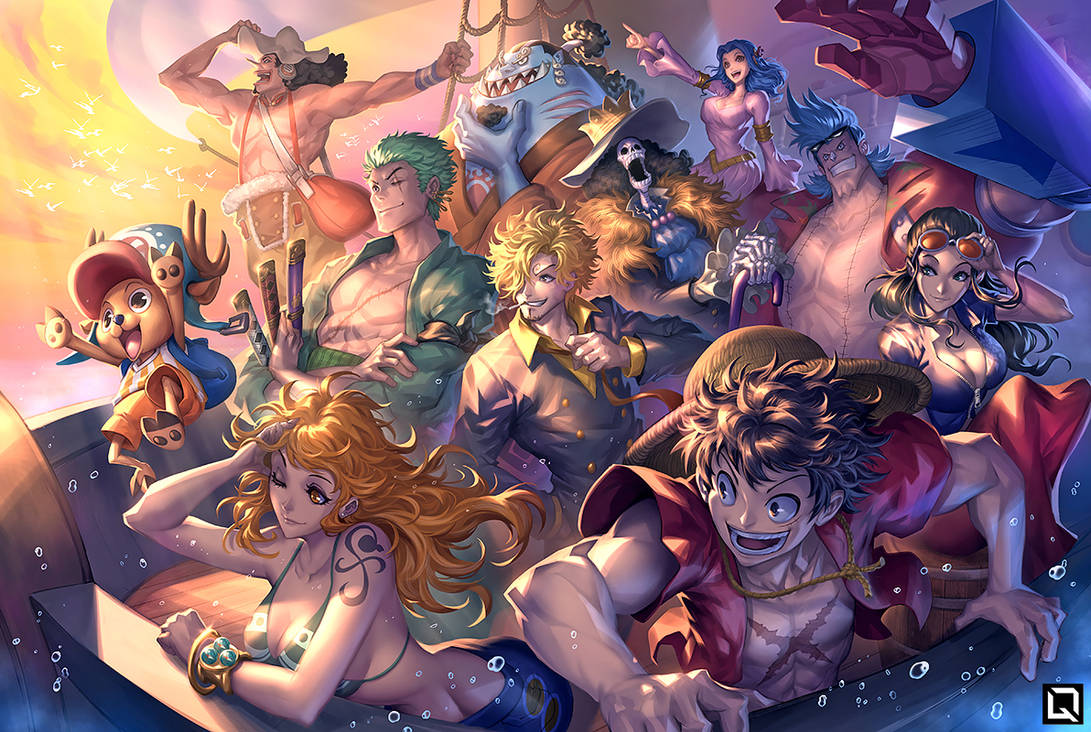
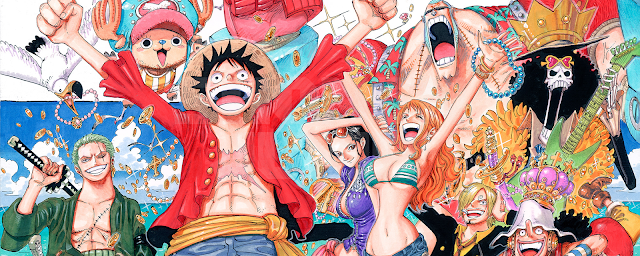
In his new role, Nakano will be overseeing all media related to the One Piece franchise. One Piece, which holds the record as the best-selling manga in history, has become a global phenomenon, with the anime and manga continuing to dominate both domestic and international markets. Nakano’s decision to focus solely on this legendary series indicates the monumental weight the One Piece brand holds within Shueisha, the publisher of Weekly Shonen Jump. With the story of One Piece nearing its conclusion, Nakano’s involvement could signal a final push toward a new era for the franchise, possibly guiding it through its ultimate arc and ensuring its legacy continues to thrive.
Given that One Piece has been running for over 25 years, Nakano’s role could have a significant impact on how the series closes its long-running story. The editor’s vision for the series could dictate how the final arcs are executed, both in manga and anime form, and may shape the next generation of One Piece content, including spin-offs, video games, and more.
Shifts in Weekly Shonen Jump and the Manga Landscape
Nakano’s departure from the editorial helm of Weekly Shonen Jump could also influence the future of the magazine as a whole. Weekly Shonen Jump has long been home to some of the most successful manga series of all time. However, with One Piece and Jujutsu Kaisen approaching their conclusions, and the end of My Hero Academia on the horizon, the magazine faces a future without its biggest and most popular titles leading the way.
The next phase for Weekly Shonen Jump seems to be about fostering the next generation of manga. Newer titles like Kagurabachi, Kaiju No. 8, and Sakamoto Days are gaining momentum and could be key to filling the gaps left by the departures of these heavy-hitting series. The magazine’s ability to nurture these up-and-coming titles will be vital for sustaining its relevance in an ever-evolving market.
Nakano’s successor, Yu Saito, who previously worked on hits like Kuroko’s Basketball and Nisekoi, has big shoes to fill. While his past work shows promise, it remains to be seen how his leadership will shape the future of Weekly Shonen Jump.
The Challenges Ahead for One Piece and the Shonen Jump Magazine

With the manga industry becoming increasingly competitive, One Piece and Weekly Shonen Jump face unique challenges. The departure of Nakano, a figure who guided the magazine through major developments and collaborations, suggests that future editorial moves will be highly scrutinized. One Piece is in the final stages of its journey, and the decisions made during this time will likely define the long-lasting impact of Eiichiro Oda’s masterpiece.
Shueisha will need to manage a delicate balance as it wraps up major stories while simultaneously cultivating new series that resonate with fans. It’s also worth considering that as global audiences continue to shape the anime and manga industry, maintaining One Piece’s legacy while attracting new readers is no easy task.
As Nakano steps away from the day-to-day editorial duties of Weekly Shonen Jump, his transition into the world of One Piece offers intriguing possibilities. For One Piece fans, the idea of having a dedicated figure steering the ship as the series nears its end may bring a sense of reassurance. However, it also raises questions about the future of Weekly Shonen Jump and how Nakano’s departure could ripple through the magazine’s editorial structure.
The Changing Face of Weekly Shonen Jump and What It Means for the Future
With Nakano’s exit, the landscape of Weekly Shonen Jump is shifting. Over the last few decades, Weekly Shonen Jump has consistently delivered new hits that have not only defined anime culture but also pushed the boundaries of storytelling. As One Piece and My Hero Academia enter their final arcs, fans are eagerly waiting to see how these beloved series will conclude. At the same time, there’s a growing anticipation for what the future holds for Weekly Shonen Jump. New series, along with upcoming changes in editorial leadership, could shape the next generation of manga, ensuring the magazine’s place at the forefront of the industry.
In conclusion, Hiroyuki Nakano’s departure as Editor-in-Chief of Weekly Shonen Jump marks the end of an era. His decision to focus on One Piece is a major shift for the magazine and the franchise, with the potential to leave a lasting impact on how both are remembered in the years to come. How these transitions will affect the future of Weekly Shonen Jump and One Piece remains to be seen, but one thing is certain—these changes are bound to shape the next chapter in the world of manga and anime.
Stay updated on the latest developments in the world of manga and anime! Subscribe to our newsletter for more news on One Piece and Weekly Shonen Jump.